


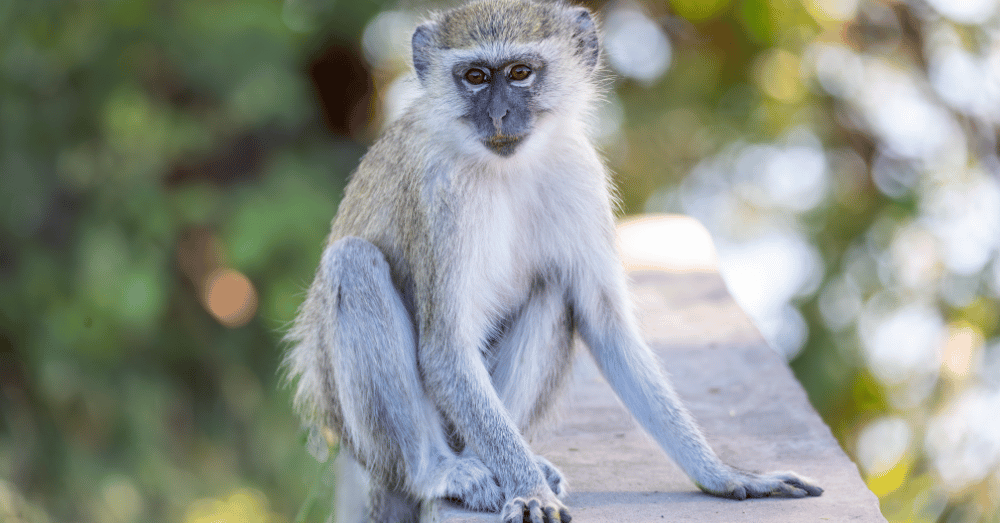
St. Louis officials are dealing with an unusual problem this week: multiple vervet monkeys running loose through the northern part of the city. What makes this primate predicament even stranger is how fake AI-generated images posted online are making it harder for authorities to track down the real animals.
- Vervet monkeys were first spotted Thursday near a park in the northern part of the city, prompting “rumor after rumor,” said city Department of Health spokesperson Willie Springer.
- People have reported capturing the monkeys, even posting fake pictures online to bolster their claims.
- Weighing in at 7 to 17 pounds, they are sometimes called green monkeys because of the tint of their fur.
When Reality Gets Blurred by Technology
Authorities in St. Louis are on the hunt for an unknown number of vervet monkeys spotted wandering loose in the northern part of the city. A primate expert from the St. Louis Zoo identified the animals as vervet monkeys after they were spotted near O’Fallon Park in North St. Louis, according to the Health Department. Original reports suggested there were four animals, but officials cannot confirm an actual number at this time.
AI-generated images posted on social media have complicated the search effort. Springer said it’s been a lot in regard to AI and what’s genuine and what’s not, noting people are just having fun. As of Monday, the monkeys remained at large. While similar animal escapes have happened in other cities, including exotic animal incidents in Indianapolis, this situation stands out because of the digital confusion layered on top of an already strange scenario.
What We Know About These African Primates
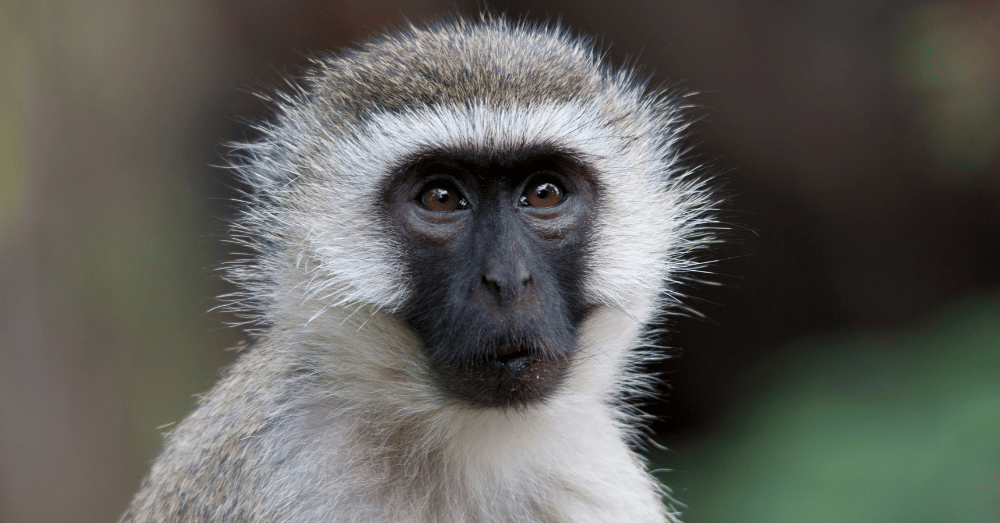
Vervet monkeys are native to sub-Saharan Africa, where they are widespread. Known for their grayish, green fur, black faces and white eyebrows, these primates aren’t what you’d expect to see roaming around a Missouri park.
A news release said they are intelligent and social, but may be unpredictable or aggressive under stress. That’s why the public is encouraged not to approach or try to capture the vervets. Once captured, they will be transported to a facility certified to care for exotic animals.

Where Did These Monkeys Come From?
How African primates ended up running around St. Louis remains a mystery. Officials said it’s unclear where the animals came from. Hauser said monkeys and other primates are not legal to be kept as pets in St. Louis. People can’t own the animals in the city, so Springer doubts anyone will come forward to claim them.
St. Louis became aware of the loose monkeys on Thursday. An animal control officer searched the area around O’Fallon Park but found nothing. More sightings were reported Friday, but officers had no luck.
Justen Hauser, St. Louis’ environmental health bureau chief, said they are working to get an idea of where the monkeys may be hiding or seeking food. His team is engaging with partner agencies properly trained and equipped to safely capture these animals. Animal control is working with primate experts from St Louis Zoo to recapture the monkeys.
What Happens Next in the Hunt for These Monkeys
St. Louis officials are asking residents to stay alert but keep their distance. Anyone who spots the vervets is encouraged to call Animal Care and Control. This is the first time the city has dealt with monkeys running loose.
This isn’t the first time monkeys have escaped captivity in the United States. In October, 21 rhesus monkeys escaped from an overturned tractor-trailer in Mississippi, and sheriff’s deputies shot and killed five of them after the truck driver mistakenly told them that the primates were infected with COVID-19, Hepatitis C and herpes when they were not. That incident shows how dangerous these situations can become when misinformation spreads.
Real escaped primates mixed with fake online photos creates a perfect storm of confusion. While people sharing AI-generated monkey images might think they’re being funny, it makes the job harder for professionals trying to track down actual animals that need help. Social media pranks don’t mix well with real wildlife emergencies.
For now, the primates remain free, somewhere in the St. Louis area. Officials continue their search, sifting through reports and trying to separate fact from fiction in the age of AI-generated everything.
