 Kevin
Kevin Art protests have taken many forms over the years, from throwing soup at paintings to gluing hands to gallery floors. But one University of Alaska Fairbanks student took a different approach when he tore AI-generated images off a gallery wall and ate them. Graham Granger now faces criminal mischief charges for the bizarre act, which has people talking about the legitimacy of AI in the art world.
- On Tuesday, January 13, UAF undergraduate student Graham Granger was detained after he was found “ripping artwork off the walls and eating it in a reported protest,” according to the UAF police department.
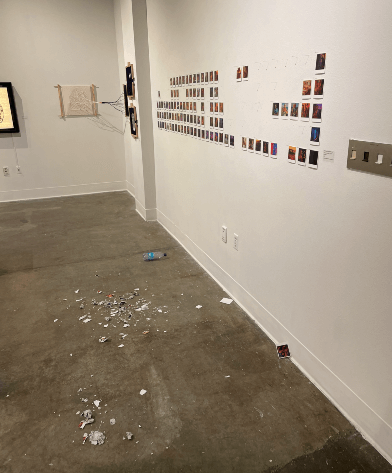
- Granger claimed he destroyed the artwork because it was AI generated, and police estimated that at least 57 of the 160 images on display were ruined.
- Granger was charged with criminal mischief resulting in damage of less than $250, a class B misdemeanor.
What Actually Happened at the UAF Gallery
Granger was chewing and spitting out images pinned to the wall. The artwork was made by Masters of Fine Arts student Nick Dwyer in collaboration with artificial intelligence and consisted of small, Polaroid-style images pinned to the wall.
The works were credited in a wall label to Dwyer and AI. The installation is titled Shadow Searching: ChatGPT psychosis (2025), and the series was meant to dig into identity and the psychological toll of prolonged interaction with artificial intelligence.
In an ironic twist, Granger destroyed work that was actually warning about AI’s dangers, not celebrating it. The MFA candidate said he personally experienced what he described as AI psychosis after years of working closely with the technology.
The Artist Responds to Having His Work Devoured
Dwyer said that he started using AI in his art around 2017/2018 but had been making art without the use of AI prior to this. Reflecting on the protest, Dwyer said, “When you make art, you become vulnerable and so the artwork is vulnerable and that’s something that makes it seem more alive or more real or in the moment.”
On Reddit, someone claiming to be Dwyer shared additional images and wrote, “I shall repair the piece, a lot actually went into this install formatting, cropping and the hand cutting/hanging etc. The subject matter was very personal.”
The exhibition including Dwyer’s work, titled “This Is Not Awful,” is open through January 23 at the UAF Art Gallery and also includes fellow MFA candidates Sarah Dexter, Amy Edler, Iris Sutton, and Matthew Wooller.
Legal Consequences and Potential Penalties
Granger was arrested for criminal mischief in the 5th degree and booked at the Fairbanks Correctional Center, though he has since been released. The destruction of property amounted to around $220.
The presiding judge was Maria P. Bahr. Because it’s a class B misdemeanor, Granger could be fined up to $5000 and spend at least 30 days in prison.
Granger is a student in UAF’s film and performing arts program. He declined to comment when reached by The New York Post.
Why Artists Are So Angry About AI
Artists and other creative people have been deeply concerned about the way that their work has been hoovered up by tech companies to fuel artificial intelligence-powered image and text generators.
In 2023, several digital artists filed a class action lawsuit targeted at Stability AI, Midjourney, and the image-sharing platform DeviantArt. Such suits scored a small win in court in 2024, but many have felt powerless to stop the endless theft of their output.
The incident has divided opinions online. Dwyer deleted his Reddit post when every comment in response said this was good and called Granger a hero. Others pointed out that destroying someone else’s work, regardless of how it was created, isn’t exactly a productive form of protest.
The protest’s effectiveness is up for debate, but it definitely drew attention to the issue. And while Graham may have missed the memo on what Nick’s installation was about, this form of protest has clearly moved into the anti-AI realm, using shock to highlight a topic most people try to ignore.
What This Means for the AI Art Debate
Whether you view Granger as a misguided vandal or an artistic rebel making a point, this story captured attention in ways that typical anti-AI discourse rarely does. The debate over artificial intelligence in creative fields keeps heating up. Incidents like this show just how raw emotions have become around the technology’s expanding presence in galleries, studios, and creative spaces everywhere.
For now, the partially eaten installation remains on display at UAF’s gallery, perhaps telling a different story than anyone originally intended.
This post may contain affiliate links. Meaning a commission is given should you decide to make a purchase through these links, at no cost to you. All products shown are researched and tested to give an accurate review for you.